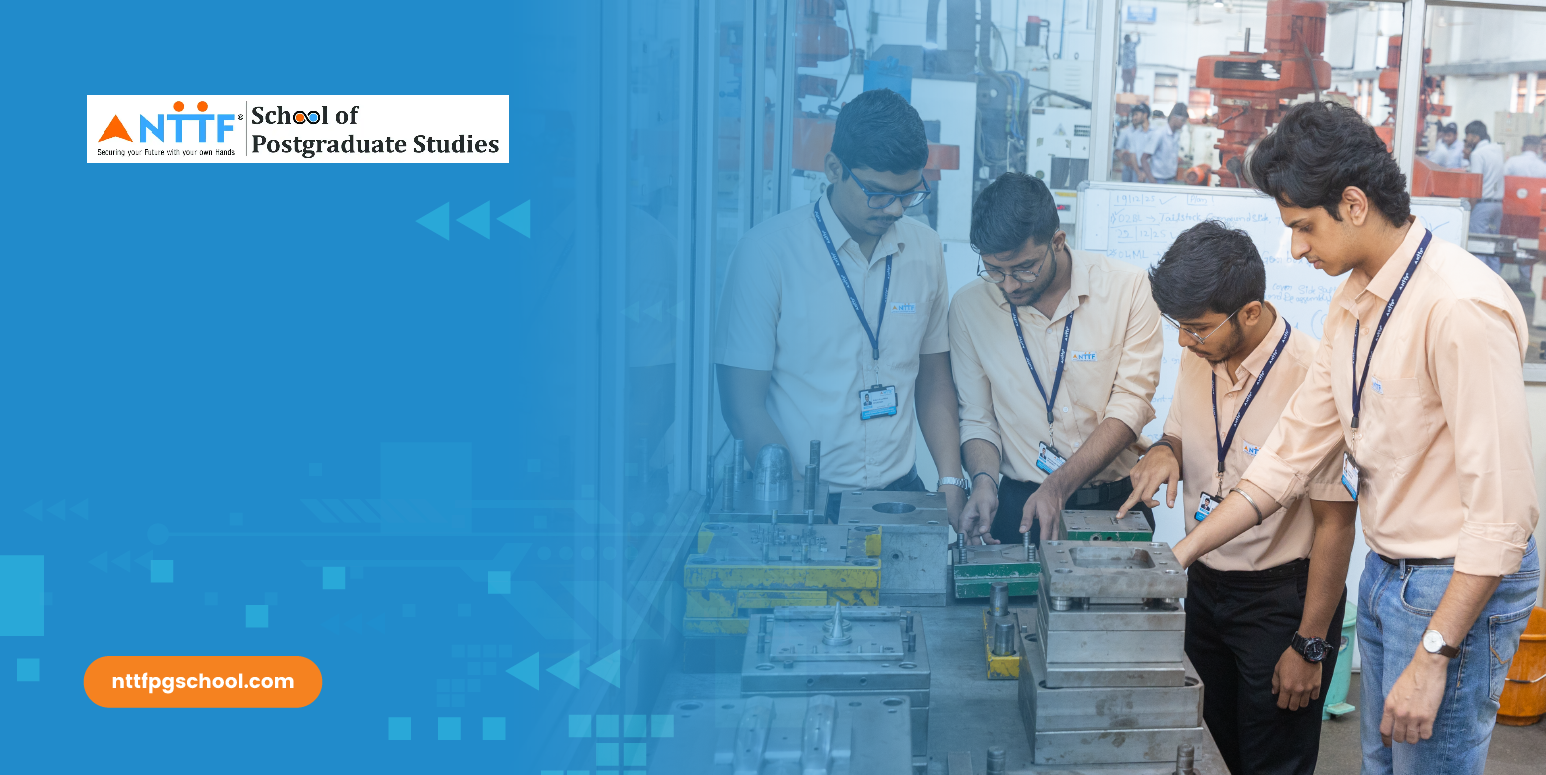
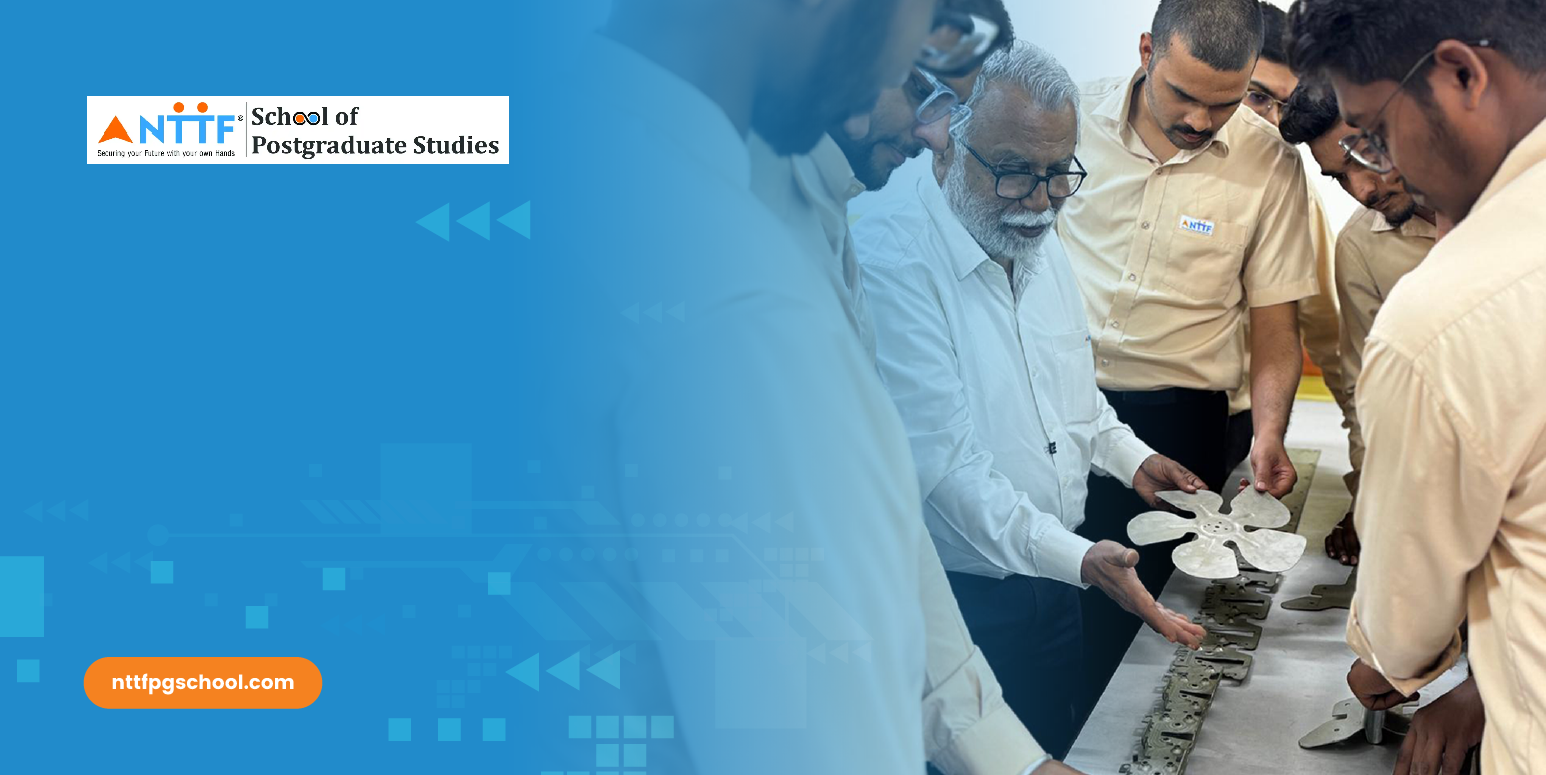
What if your engineering degree could directly translate into high-demand roles in global manufacturing industries, not through generic paths, but through specialized skills that industries actively seek?
Many engineering graduates struggle to find roles that align with core mechanical or production skills. This is where manufacturing-focused specialization becomes critical. Press tool design stands out as a direct pathway into tool engineering roles that power industries like automotive and heavy manufacturing.
Quick Answer:
- The best manufacturing courses after engineering focus on industry-specific skills, required theory
- A press tool design course prepares engineers for real-world manufacturing environments
- These courses lead to roles in tool engineering, die design, production planning, and automation
- High demand exists across global manufacturing hubs including Germany, Japan, and the USA
What is a Press Tool Design Course?
A Press Tool Design Course is a technical program that prepares engineers to design tools used to cut and shape sheet metal parts for volume manufacturing. The course links mechanical design with shop floor realities, so learners understand how a tool must perform under force and tolerance limits. Cycle-time demands also shape tool decisions, and that practical context gives the subject real industrial value. Core modules cover die design and strip layout. Learners also study material behavior and CAD drafting. This foundation matters because manufacturers depend on accurate tooling to keep production stable. It also helps control rejection rates and part consistency across large production batches.
Top 5 Benefits of Press Tool Design Course
The following benefits explain why this Press Tool Design course remains a strong option after engineering:
- Direct Alignment with Manufacturing Roles
Press tool design connects closely with actual factory requirements, so the course maps well to tool design positions and production engineering roles. Employers value this relevance because the skill applies to day-to-day manufacturing work, not only to classroom concepts. - Stronger Practical Design Judgment
Learners study how sheet metal behaves under load, which improves design decisions at the tooling stage. That knowledge helps engineers reduce avoidable errors in layout and improve part accuracy during production. - Better CAD-to-Production Understanding
The course builds a strong connection between digital drawings and physical output. Engineers learn how design choices affect press performance, tool life, and the final quality of manufactured parts. - High Relevance Across Global Manufacturing Sectors
Automotive and electronics manufacturers rely on press tools in high-volume operations. This keeps the skill relevant across domestic industries and international supply chains, which gives engineers broader career scope. - Clearer Career Progression in Core Engineering
A press tool design background gives engineers a defined route into tool engineering and manufacturing design. That base also supports movement into process planning and higher technical responsibility as experience grows.
Best Career Opportunities after Press Tool Design Course
A Press Tool Design Course opens access to core manufacturing roles where precision tooling directly affects product quality and production efficiency. Each role builds on a different part of the same skill base, so career growth becomes more structured and industry-relevant over time.
- Press Tool Design Engineer
This role focuses on designing dies, punches, and related tooling for sheet metal components. Engineers in this position work on tool accuracy, manufacturability, and production suitability. - Tool Design Engineer
Tool design engineers create and refine tooling systems used across manufacturing lines. The role suits candidates who want broader exposure beyond press tools and want to work on production tooling in multiple sectors. - Die Design Engineer
Die design engineers develop dies that support forming and shaping operations with high dimensional control. The role requires a strong understanding of material behavior and production tolerances. - Tool Room Engineer
Tool room engineers handle tool development, correction, and maintenance within the setup. The position gives strong exposure to shop floor execution and helps build practical engineering judgment. - Production Engineer
Production engineers use tool knowledge to improve process flow and part output in manufacturing units. This role is valuable for engineers who want to work closer to operations and process efficiency. - CAD Design Engineer
CAD design engineers prepare detailed tool drawings and production-ready design models using engineering software. The role is a strong fit for candidates with good drafting skills and a strong interest in design execution. - Manufacturing Process Engineer
Process engineers study how tools perform in actual production conditions and work on reducing errors and improving output consistency. A press tool design background gives strong technical support for this role. - Quality Engineer in Tooling and Production
Quality engineers with tooling knowledge help identify dimensional issues and process-related defects during manufacturing. This path is useful for engineers who want to work on precision standards and product reliability. - R&D Engineer in Tool Development
Research and development roles focus on improving tool performance and reducing production limitations through better engineering methods. The role suits candidates interested in technical improvement and long-term product development. - Application Engineer for Manufacturing Solutions
Application engineers support industrial clients with tooling-related technical guidance and product use cases. The role combines engineering knowledge with client-facing technical communication, which expands career flexibility.
Course Overview
A Press Tool Design Course gives engineers a structured path into tooling and manufacturing design. The curriculum connects design theory with production use, so learners understand how tools must perform under actual industrial conditions.
- Core Objective: The course builds the technical base required to design press tools used in sheet metal production. It prepares learners to work on tools that support accuracy and repeatability in manufacturing.
- Design Fundamentals: Learners study press operations and strip layout. They also learn die structure, which helps them understand how each tool component supports part formation.
- Material and Production Knowledge: The course explains how sheet metal reacts under pressure and tool contact. That knowledge helps engineers make sound design decisions that support part quality and tool life.
- Software-Oriented Learning: CAD-based training plays a central role in the course. Learners create detailed tool drawings and production-ready models that match industry expectations.
- Industry-Relevant Application: The curriculum links classroom learning with manufacturing use cases, so engineers can relate design work to actual production demands. This makes the course more relevant for core engineering roles.
- Career Preparation: The course prepares learners for roles in tool design and die design. It also supports entry into production engineering, where tooling knowledge adds strong practical value.
Skills You Will Learn in a Press Tool Design Course
A Press Tool Design Course builds the technical skill set required for tooling and manufacturing roles. The learning process connects design knowledge with production use, so each skill has direct relevance in industrial environments.
- Press Tool Design Basics: Learners understand the structure and function of press tools used in sheet metal operations. This skill forms the base for creating tools that support consistent and accurate production.
- Strip Layout Development: The course teaches how to prepare strip layouts for efficient material use and proper operation flow. This skill helps reduce waste and supports better tool planning.
- Die and Punch Design: Learners study how die sets and punches are designed for different production requirements. This knowledge helps engineers create tools that meet dimensional and operational needs.
- Sheet Metal Process Knowledge: The course explains blanking and piercing. It also covers bending and forming, which helps learners connect tool design with actual manufacturing processes.
- CAD Drafting and Modeling: Learners build skill in creating detailed drawings and 2D or 3D tool models through CAD software. This makes their design work easier to communicate and ready for production teams.
- Problem Solving in Tooling: Learners examine common tooling issues related to wear and alignment. They also study part defects, which helps them respond with practical design corrections.
- Production-Oriented Engineering Thinking: The course develops a mindset that links design choices with output quality and process stability. This gives engineers stronger readiness for real manufacturing responsibilities.
Other Top Manufacturing Courses After Engineering
Here are other prominent manufacturing courses after engineering that can strengthen technical depth and improve career direction in core industrial domains.
- CAD/CAM Course
A CAD/CAM course helps engineers build strong skills in product drafting and manufacturing-oriented design. The program usually covers 2D drafting and 3D modeling. It also explains how digital designs move into machining workflows. This course suits engineers who want roles in design support and production planning, since it builds a clear link between software-based design work and shop floor execution. - CNC Programming Course
A CNC programming course focuses on the logic behind automated machining operations. Engineers learn machine codes and tool path planning. They also study machining sequence control, which helps them understand how parts are produced with precision. This course is valuable for those who want to work in machining-heavy industries, where productivity and dimensional control depend on accurate machine programming. - Production Engineering Course
A Production Engineering course prepares engineers to understand how manufacturing systems perform at scale. The course usually covers workflow planning and process control. It also deals with quality monitoring, which helps engineers improve output consistency across operations. This option is suitable for candidates who want broader exposure to factory systems and want to build careers in production roles with technical responsibility.
Conclusion
A specialized path after engineering can make the difference between a general job search and a career built on strong technical relevance. Press tool design stands out because it connects design knowledge with real manufacturing requirements, which gives engineers a clearer route into tooling, production, and core industrial roles.
Engineers who want structured training and industry-ready exposure can consider the NTTF SPG Postgraduate Diploma in Tool Design (CP16) – PGDTD, a program designed to build practical design capability and stronger career readiness in tool engineering. Explore the program and take the next step toward a manufacturing career shaped by skill, precision, and long-term professional growth.