Most engineering students start with broad ambitions. Mechanical engineering, core manufacturing, maybe design. It feels like there are endless paths. But very quickly, reality sets in. General roles become crowded. Growth slows. Differentiation becomes difficult.
This is where specialization changes everything.
Die making is one of those paths that most engineers overlook. Not because it lacks opportunity, but because it sits quietly behind the scenes. Every automotive component, every precision part, every high-volume product depends on dies. Yet very few engineers choose to build expertise here. This creates an interesting gap. Demand exists. Supply is limited.
This blog breaks down how to become a die maker. It explains the skills required and the right manufacturing engineering courses after BE to move from a general role into a specialized one that holds long-term value.
Why Most Engineering Careers Plateau Early
The biggest misconception among engineers is that a degree is enough. It is not. What usually happens is simple. Engineers graduate with similar knowledge. They enter roles with similar responsibilities. They compete on the same skill set. Over time, this leads to saturation.
Here is where most careers slow down:
- Skills remain generic
- Work becomes repetitive
- Growth depends on experience and not expertise
This is not a capability problem. It is a positioning problem. Die making solves this by moving you into a niche where fewer engineers operate, but industries constantly need expertise.
What Die Making Actually Means in the Real World
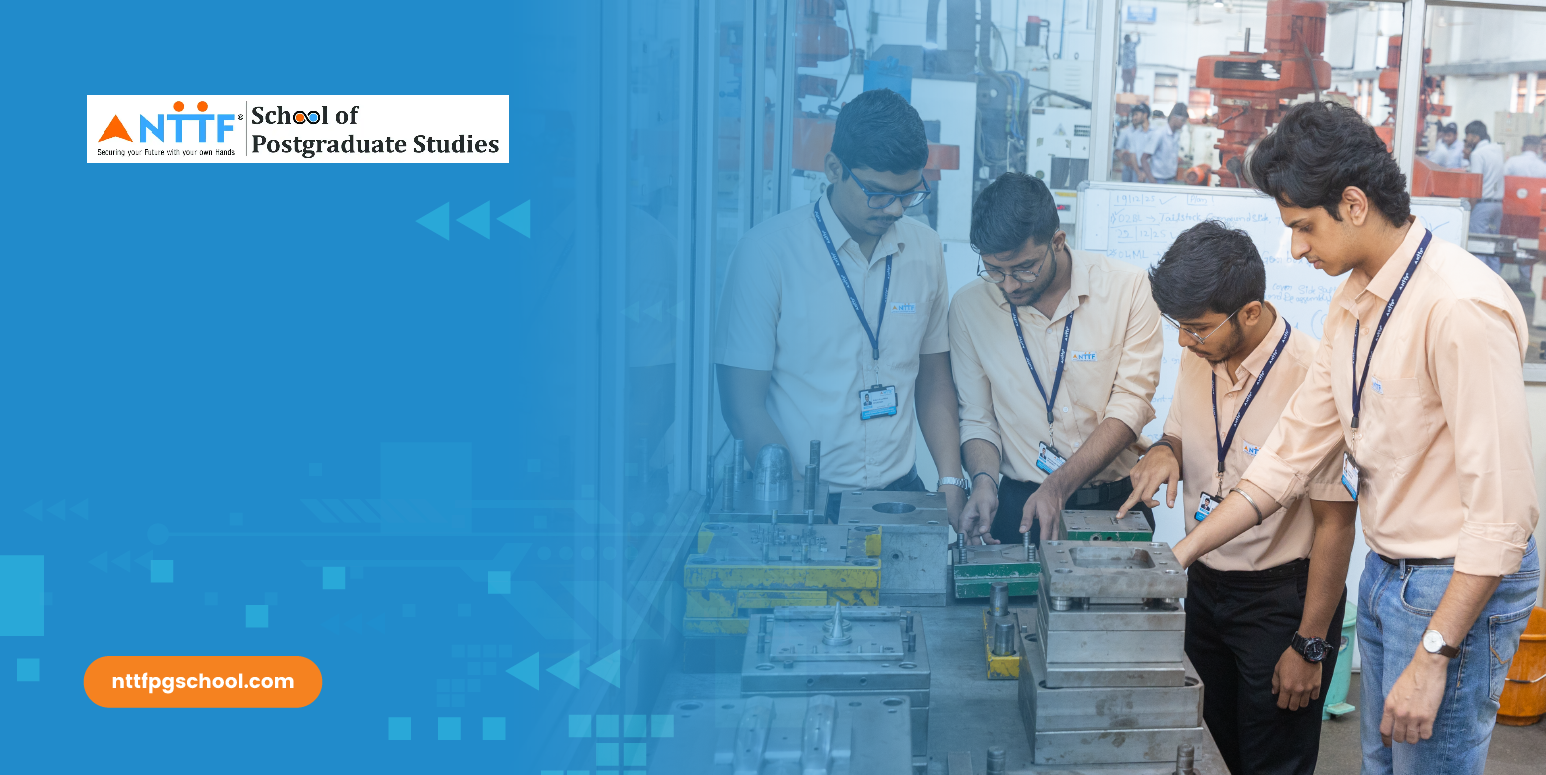
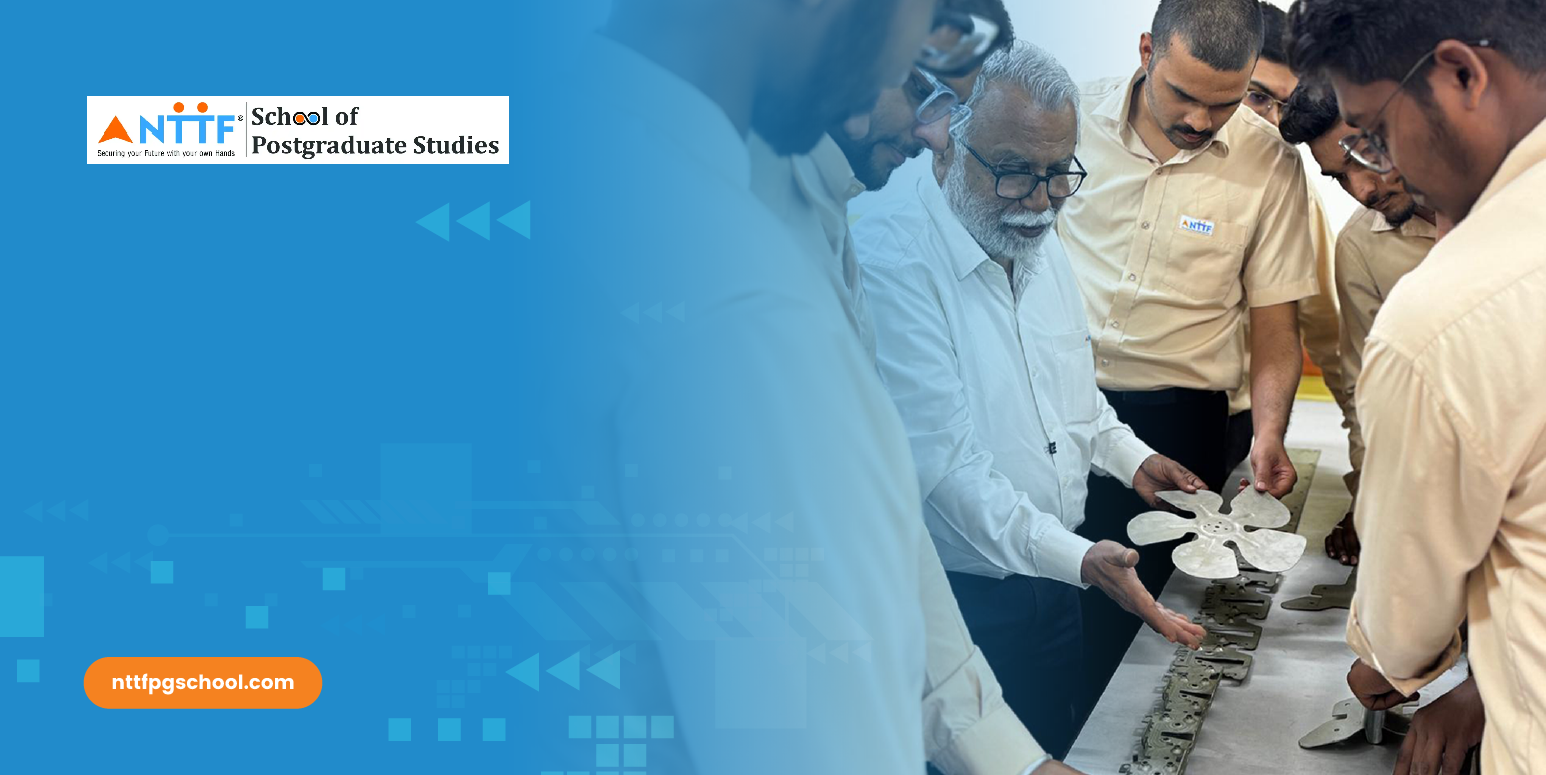
Die making is not just about tools. It is about enabling production at scale. Every mass-produced component begins with a die. That die defines shape and repeatability. Production fails if the die fails. A die maker works at the point where design meets manufacturing.
The role typically involves:
- Designing dies using CAD systems
- Selecting materials based on application requirements
- Manufacturing tooling components using machining processes
- Assembling and testing dies before production use
- Maintaining and repairing dies to ensure consistency
This is not theoretical engineering. It is applied engineering with direct impact on output quality and production efficiency.
Why Die Making Still Holds Strong Career Value
There are very few roles in manufacturing where demand remains stable across industries. Die making is one of them.
The rason is simple. Manufacturing cannot exist without tooling.
Industries that depend on die makers include:
- Automotive manufacturing
- Aerospace engineering
- Electronics production
- Industrial equipment manufacturing
These industries are not shrinking. They are evolving toward higher precision. This creates a consistent need for engineers who understand tooling at a deep level. The second factor is specialization. Most engineers stop at design or production. Die makers operate between both. This makes the role harder to replace and more valuable over time.
How to Become a Die Maker
The path to become a die maker is structured but not complicated. What matters is depth and not merely direction. It usually starts with a mechanical or manufacturing engineering background. This builds the foundation. Subjects like materials science, machine design, and manufacturing processes become important here.
The next shift happens when you move from theory into tools. Learning CAD systems is essential. Tools like AutoCAD, SolidWorks, or CATIA are not optional. They define how you design dies with precision.
After that, practical exposure becomes critical.
You need to understand how designs translate into physical components. This includes machining processes like CNC operations, milling, and EDM. Without this, design remains incomplete.
The final step is specialization.
This is where most engineers hesitate, but it is the most important move. Enrolling in a die design or tooling course helps you move from general engineering into a focused role. Entering the manufacturing industry becomes easier once this is in place. You start in junior roles, but growth depends on how quickly you build expertise.
Skills That Actually Matter in Die Making
Not all engineering skills translate equally into this field.
Technical skills form the base. CAD or CAM proficiency is essential. Understanding tolerances, materials, and manufacturing processes is equally important.
But technical knowledge alone is not enough.
Die making requires precision thinking. Small errors in design can lead to large failures in production. This makes attention to detail a critical skill.
Problem solving also plays a major role. No design works perfectly on the first attempt. Iteration is part of the process.
Practical skills complete the picture.
Handling machines, assembling components, and testing outputs bring theory into reality. Engineers who combine design knowledge with practical exposure grow faster in this field.
Choosing the Right Manufacturing Courses After BE
This is where most career paths diverge.
A general degree gives you options. A specialized course gives you direction.
If you are exploring manufacturing engineering courses after BE, the goal should be to move closer to real production systems.
Die and tool design courses are the most direct option. They focus on die casting and injection molding. These areas are widely used across industries. CAD or CAM certifications build depth in design. These are useful if you want to work on the design side of tooling.
CNC programming courses focus on execution. They help you understand how designs are translated into physical components through machines. A PG diploma in tool engineering combines both theory and practice. This is useful if you want a structured path into tooling. The right choice depends on where you want to position yourself. Design, production, or a combination of both.
Fast-track your career into precision manufacturing with the Postgraduate Diploma in Tool Design (CP16) – PGDTD, and build industry-ready expertise in die and tooling design.
Career Opportunities in Die Making
- Once you build the right skill set, opportunities are not limited to one role
- You can move into roles such as:
- Die design engineer
- Tooling engineer
- Production engineer
- CNC programming roles
- Manufacturing optimization roles
- Industries hiring for these roles remain consistent
- Automotive companies rely heavily on die makers for component production
- Aerospace firms require precision tooling for high-performance parts
- Manufacturing firms in metal or plastic production need skilled tooling engineers
- Salary growth follows specialization
- Entry-level roles typically start between ₹3-6 LPA
- With experience and expertise, salaries move to ₹6-12 LPA
- Senior roles often go beyond ₹12 LPA with leadership or advanced technical skills
Where Die Making Is Headed
Manufacturing is changing. Die making is evolving with it. Automation is becoming standard. Machines are handling repetitive processes. But design and optimization still depend on engineers. AI-driven tools are entering design workflows. These tools assist with optimization, but they do not replace engineering judgment.
Advanced materials are being used for better durability and precision. This requires a deeper understanding of material behavior. Smart factories are integrating data with production. This means die makers will need to understand not just tools, but systems. The core role remains the same. But the skill set is expanding.
Practical Takeaway: What You Should Do Next
Here is what to do next if you are serious about this path because at this stage, clarity matters more than speed:
- Start by strengthening your fundamentals in mechanical engineering. Then choose one direction and go deep.
- Learn a CAD tool properly. Not at a surface level. Build real designs.
- Get hands-on exposure. Even basic machining experience changes how you think about design.
- Choose a course that aligns with industry needs. Not just theory.
- Build a small portfolio. Even simple projects help demonstrate capability.
- Stay aware of how manufacturing is evolving. The field rewards engineers who adapt early.
- If you follow this approach, you move from being another engineer to someone with a defined skill.
Conclusion
Die making is not a popular career choice. That is exactly why it works. It sits at the intersection of design and production. It demands precision and rewards expertise. It offers stability because industries depend on it. Most engineers compete in crowded spaces. Die makers operate in a specialized domain where demand remains steady. The difference is not intelligence or effort. It is the decision to specialize.
If you are exploring how to become a die maker, focus on building depth. Choose the right manufacturing engineering courses after BE. Gain practical exposure. Move toward specialization early. Careers in engineering do not grow by chance. They grow by positioning.
Upgrade your career with the Postgraduate Degree in Tool Engineering (CP06)-PGTE at NTTF SPG and move beyond generic roles into high-demand die making expertise. Build real-world skills in CAD/CAM and manufacturing systems that industries actively need. Take the step toward specialization and position yourself where demand stays strong and growth follows.